In a hospital, a power cut is not an inconvenience — it is a patient-safety event. Healthcare standby power is designed differently from an office or a villa, and consultants in the UAE will check it closely.
Which loads go on the generator?
Healthcare electrical design splits loads into branches:
- life-safety — exit lighting, fire alarm, emergency communications
- critical — operating theatres, ICU, emergency department, critical-care outlets, nurse call
- equipment — medical gas systems, sterilisation, key HVAC, lifts, kitchen and cold storage
All of these must transfer to the generator automatically. Many facilities also put the rest of the building on the generator so departments keep running normally during an outage.
Transfer time: the 10-second rule
Many UAE healthcare consultants specify to NFPA 110, where a Level 1 emergency power system must restore power to emergency loads within 10 seconds. That means:
- an AMF controller that starts the set instantly on mains failure
- a generator that reaches rated voltage and frequency quickly — jacket-water heaters keep the engine ready
- a fast, reliable automatic transfer switch for each branch
Some loads cannot tolerate even 10 seconds — anaesthesia machines, ICU monitoring, IT and the PACS server. These sit on a UPS, which bridges the gap until the generator takes over.
Redundancy: N+1
A single generator is a single point of failure. Hospitals usually run two or more sets in parallel with a synchronising panel, sized so the critical load is still covered if one set fails or is in maintenance (N+1). Synchronised sets also share load efficiently, so engines are not running at a wasteful low load.
Sizing examples
| Facility | Typical generator |
|---|---|
| Small clinic or dental centre | 30–80 kVA |
| Polyclinic or day-surgery centre | 150–400 kVA |
| Mid-size hospital | 2 × 500 kVA to 2 × 1000 kVA |
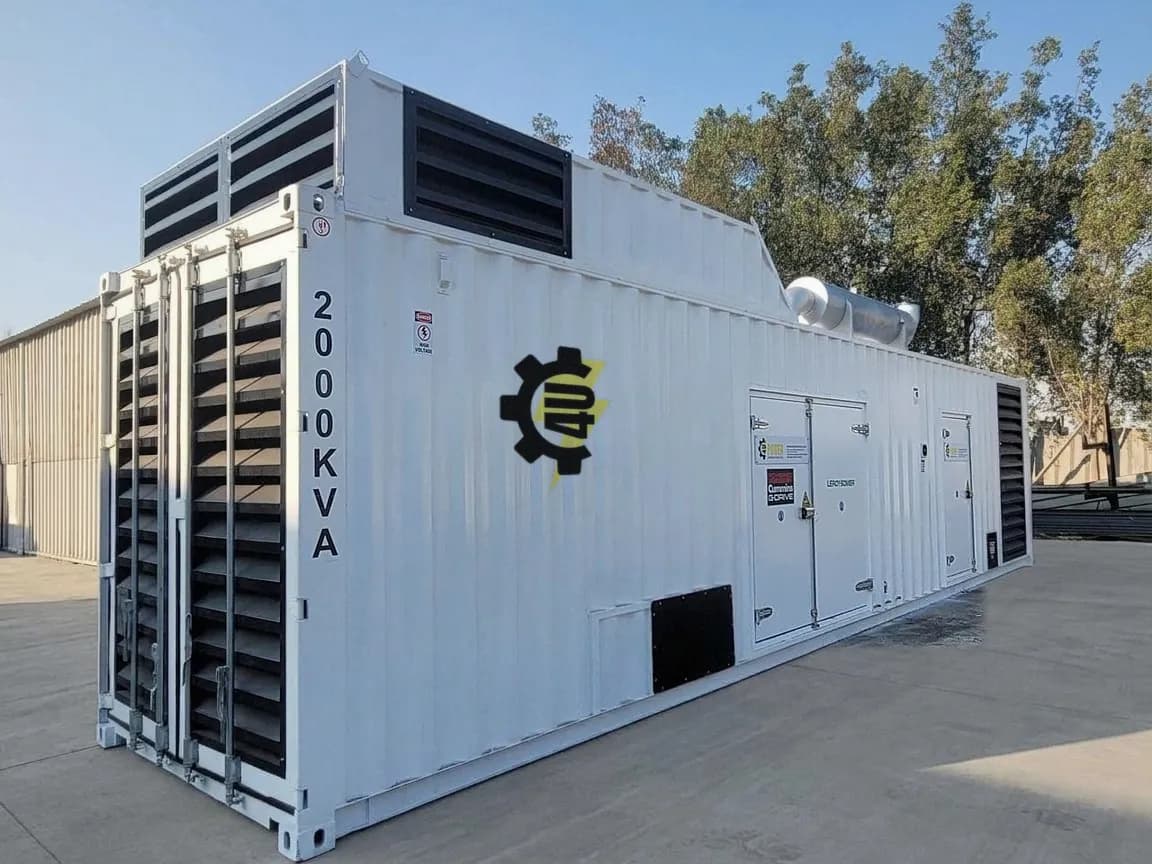
| Large hospital | 3 or more sets, 1000–2000 kVA each |
These are starting points — the real number comes from the load schedule. Our kVA calculator and size chart help with a first estimate.
Fuel autonomy
Healthcare specifications usually require the set to run for 24 hours or more without refuelling. Size the base tank or external fuel tank on the expected load, not on the nameplate.
Testing is part of the design
Emergency generators in healthcare are typically exercised monthly under load — for example 30 minutes at not less than 30% of rating — with the transfer switches operated, and load-bank tested at least annually. Plan access for a load bank from day one.
How we help
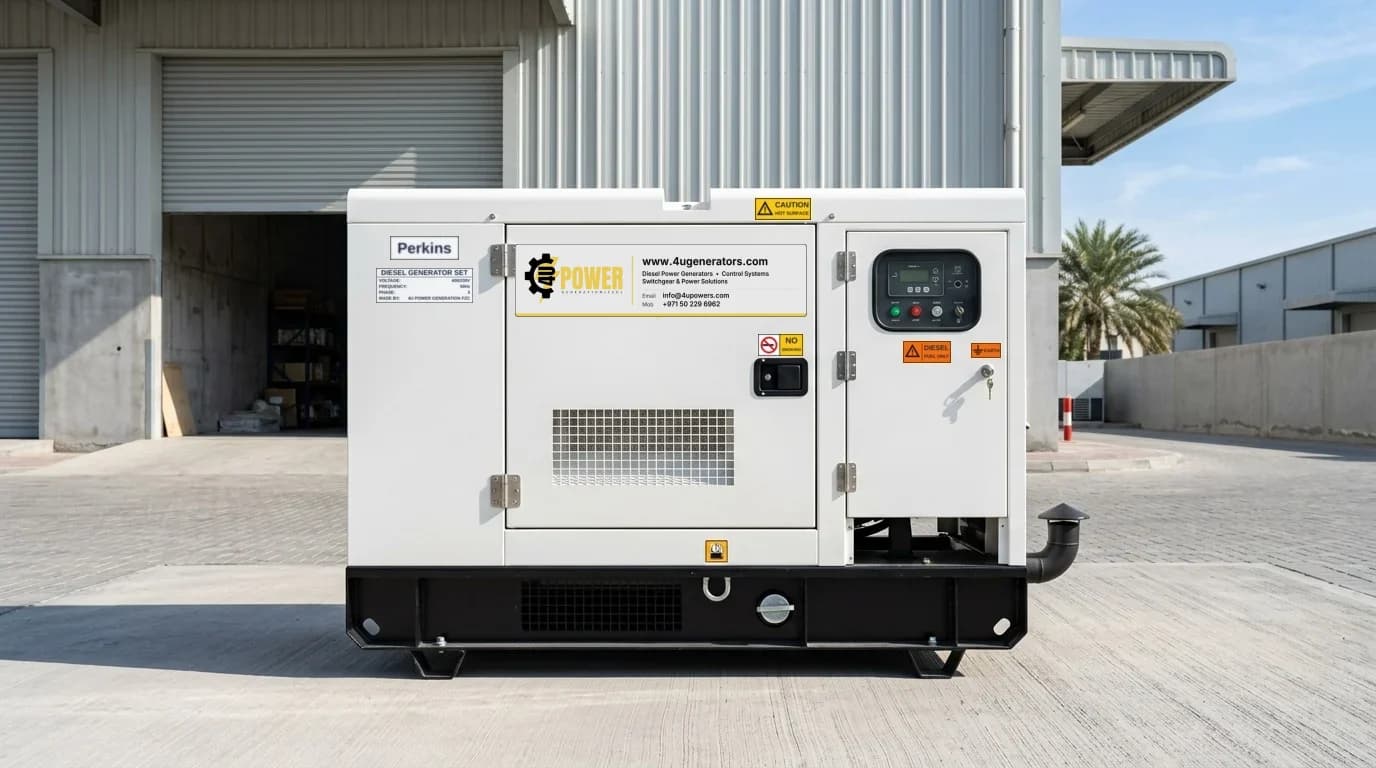
We supply Cummins, Perkins and Baudouin sets from 10 to 2500 kVA with AMF controllers, ATS and synchronising panels, plus maintenance contracts and load-bank testing. Send us your consultant's specification and load schedule on WhatsApp and we will propose a compliant configuration.