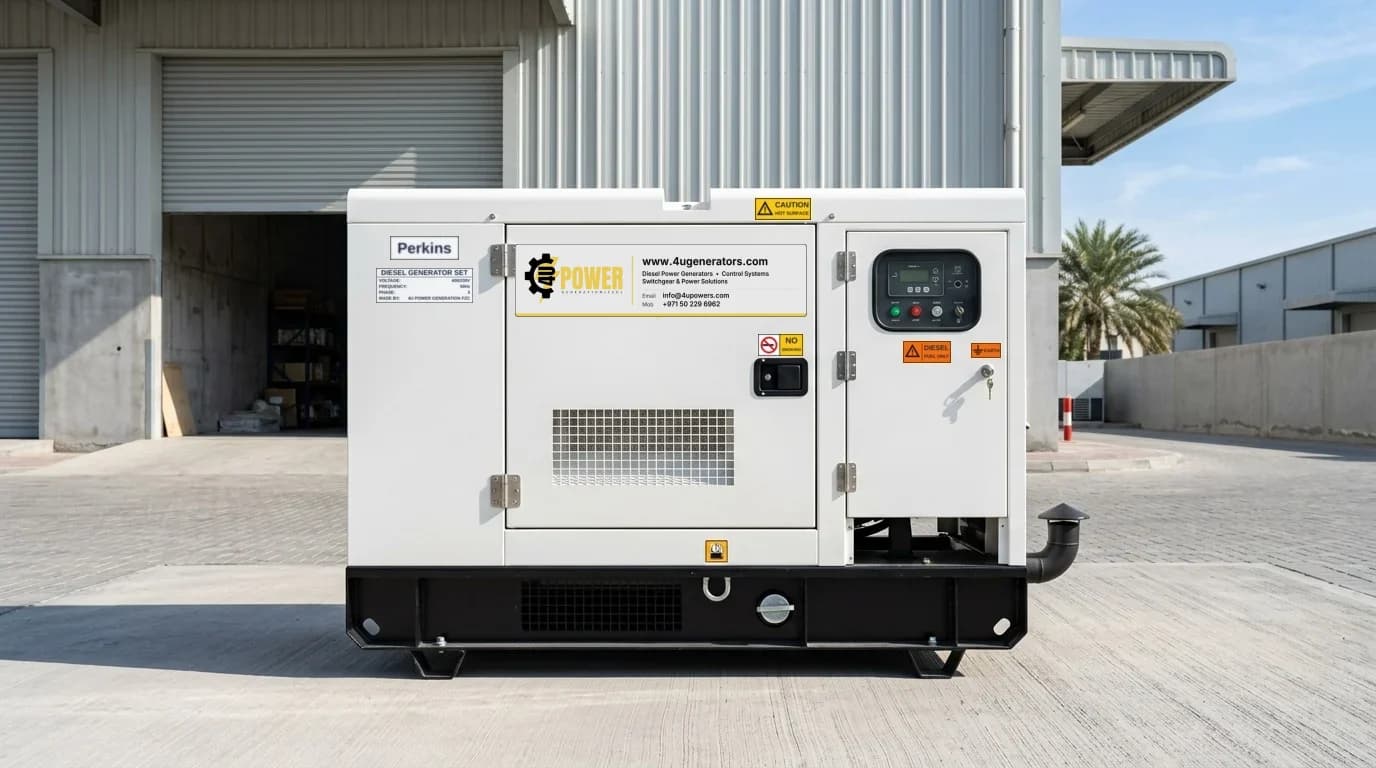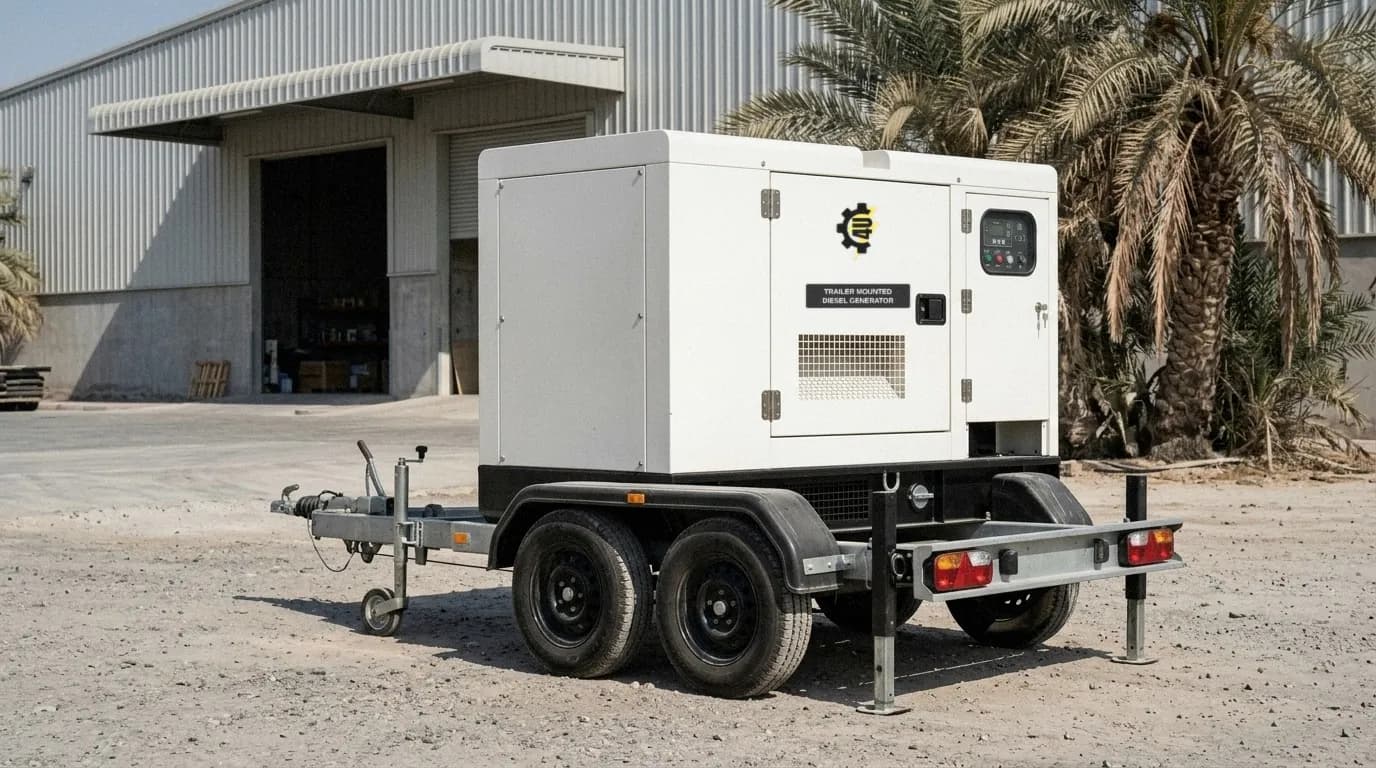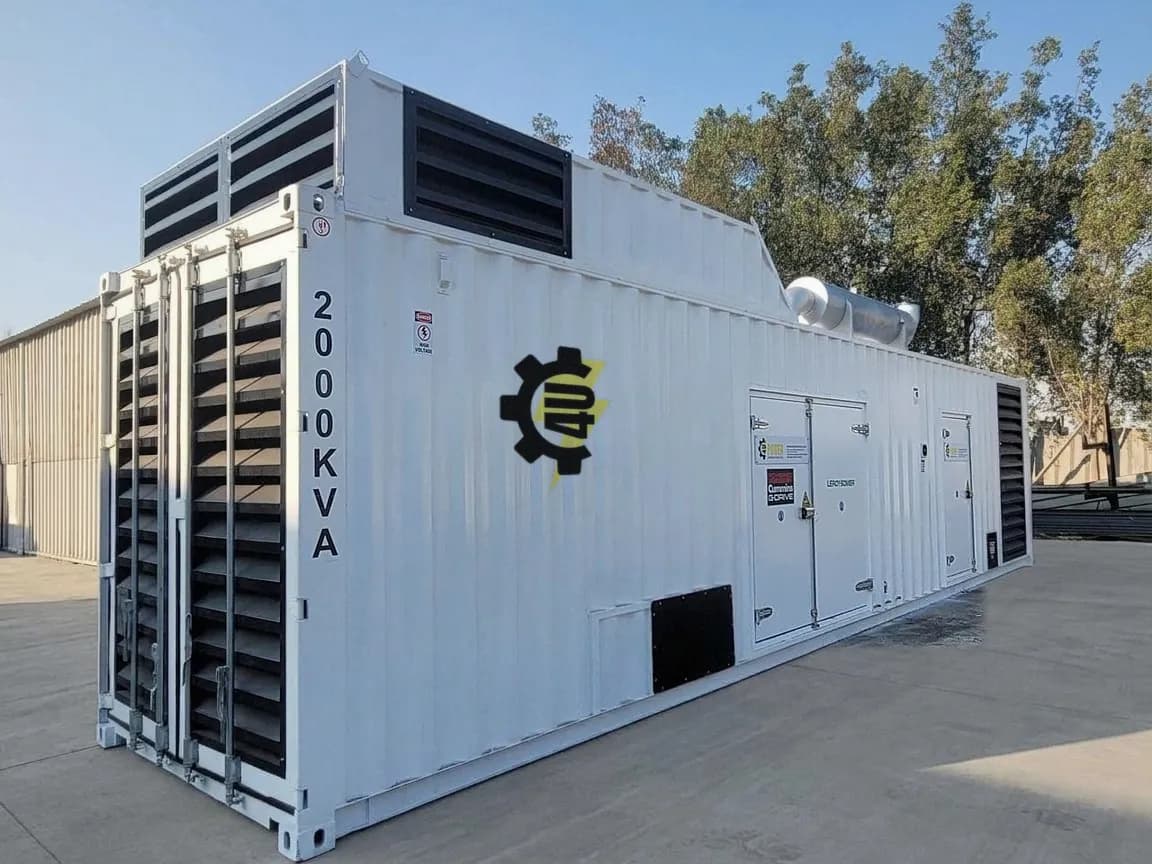


Most generators sold in the GCC run on diesel — and for standby power that is usually the right call. But with piped gas more widely available and fuel costs under scrutiny, gas and hybrid systems deserve a serious look on some sites.
Why diesel dominates standby power
- Fast start and load acceptance. A diesel set can pick up a large block of load within seconds of starting — critical for fire pumps, lifts and hospitals.
- Fuel stored on site. A base tank or bulk tank makes the site independent of any external supply during an emergency.
- Service everywhere. Every city in the region has diesel technicians and parts.
- Lower purchase price per kVA than gas.
Where gas generators win
- Continuous or prime power where the engine runs many hours a day and fuel cost dominates.
- Sites already connected to natural gas, where the fuel is cheaper per kWh and there is no tank to refill.
- Lower emissions and noise, helpful near residential areas.
The trade-offs: higher capital cost, slower load acceptance (often needing staged loading), and dependence on the gas network staying up during the outage you are protecting against.
What the Gulf climate changes
At 45–50 °C ambient, every engine loses output. Hot intake air is less dense, and the radiator has less temperature difference to work with. For both fuels you should:
- ask for the site-rated output at your maximum ambient, not the catalogue figure
- specify high-ambient radiators and canopies with adequate airflow
- plan dust filtration — heavy-duty air filters and regular cleaning
- store diesel correctly and treat fuel if it will sit in a tank for months
Hybrid: the third option
For low or highly variable loads — telecom sites, farms, remote camps — a generator plus battery system lets the engine run at its efficient point and switch off while the battery carries the load. Add solar and daytime fuel use can drop sharply. See our hybrid and solar-hybrid systems.
Our recommendation
- Standby for buildings, hospitals, data rooms: diesel.
- Many hours per day with piped gas available: evaluate gas.
- Low, variable load or remote site: hybrid or solar-hybrid.
Not sure which fits? Send us your load profile and running hours on WhatsApp and we will compare lifecycle cost for each option. Start with the kVA calculator to get the size right first.